

Guide
Recommended spots in Nagoya, Aichi, Gifu and Mie
Find places to visit from your base in Nagoya — filter by area and theme across Nagoya, Aichi, Gifu and Mie.
-
Don Quijote Sakae Main Store
Good forArriving late at night / Stocking up on snacks, cosmetics and everyday souvenirs (tax-free available)
A 24-hour discount store in Sakae, central Nagoya. It stocks a wide range of goods, from snacks, cosmetics and daily necessities to souvenirs. Tax-free shopping is available.
- Good to know
- Hours: open 24 hours, no regular closing day (closes briefly on some days for stocktaking or maintenance)
- Tax-free: available (check conditions in store)
- Medicines are sold only while a pharmacist or registered seller is on duty
- Getting there
- Right outside Exit 1 of Sakae Station (the store says about 10 seconds' walk). From Nakamura-koen Station: Higashiyama Line, no transfer. From Taiko-dori Station: Sakura-dori Line to Nagoya, then change to the Higashiyama Line.
-
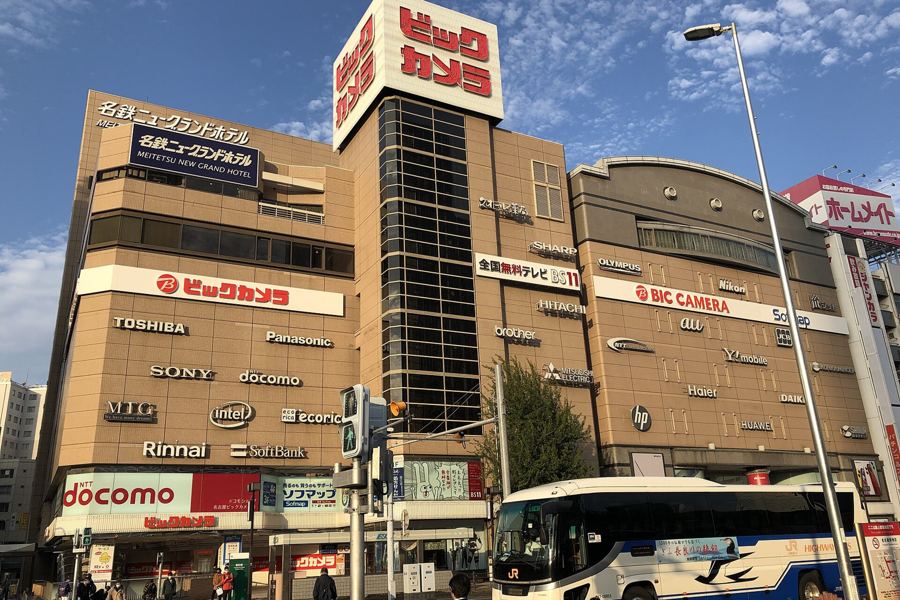
Photo: Evelyn-rose / Wikimedia Commons / CC0 Bic Camera Nagoya Ekinishi
Good forBuying electronics, cameras, medicine or cosmetics tax-free / Last-minute shopping by the station on your way home
A large electronics store a short walk from the west exit of JR Nagoya Station. Its floors, from B1 to 5F, carry cameras, appliances and smartphones as well as medicine, cosmetics, toys and suitcases. Tax-free processing is done at any register.
- Good to know
- Hours: 10:00–21:00, open every day
- Tax-free: available at every register
- Getting there
- 1 minute on foot from the west exit of JR Nagoya Station. Nagoya Station is 1 stop from Taiko-dori (Sakura-dori Line) and 4 stops from Nakamura-koen (Higashiyama Line).
-
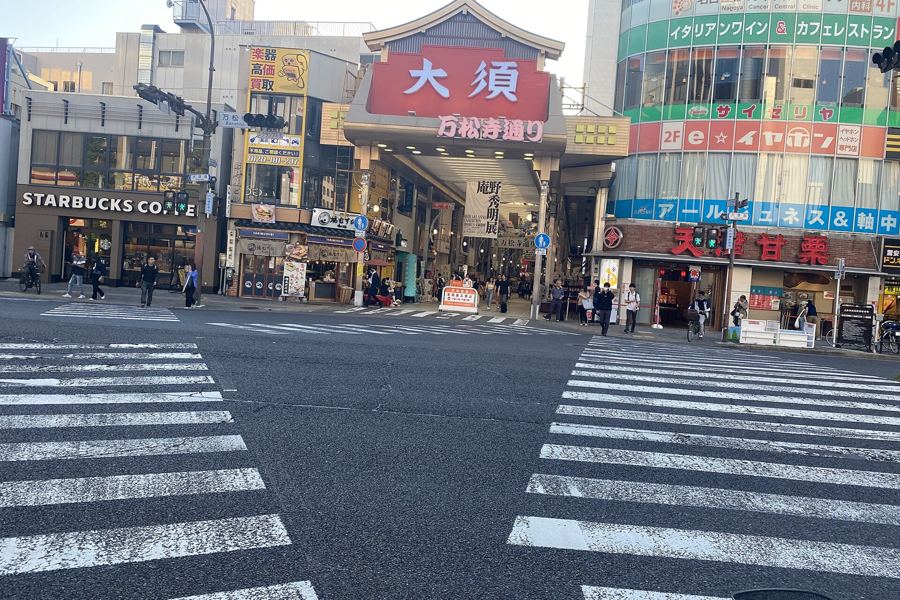
Entrance to Banshoji-dori Photo: Immanuelle / Wikimedia Commons / CC BY 4.0 Osu Shopping District
Good forStreet food, vintage clothing, electronics and pop culture in one place / The 18th of each month (antique market at Osu Kannon)
A shopping district packed with all kinds of shops, from electronics and vintage clothing to street food. The official guide describes its 'melting pot' atmosphere as one of Osu's main attractions. Osu Kannon temple is right nearby.
- Good to know
- Hours and closing days vary by shop
- Antique market at Osu Kannon on the 18th of every month (official Osu site)
- Getting there
- 2 minutes from Kamimaezu Station (Exit 8 or 12) or 3 minutes from Osu Kannon Station (Exit 2). From Nakamura-koen: Higashiyama Line to Fushimi, then the Tsurumai Line to Osu Kannon.
-
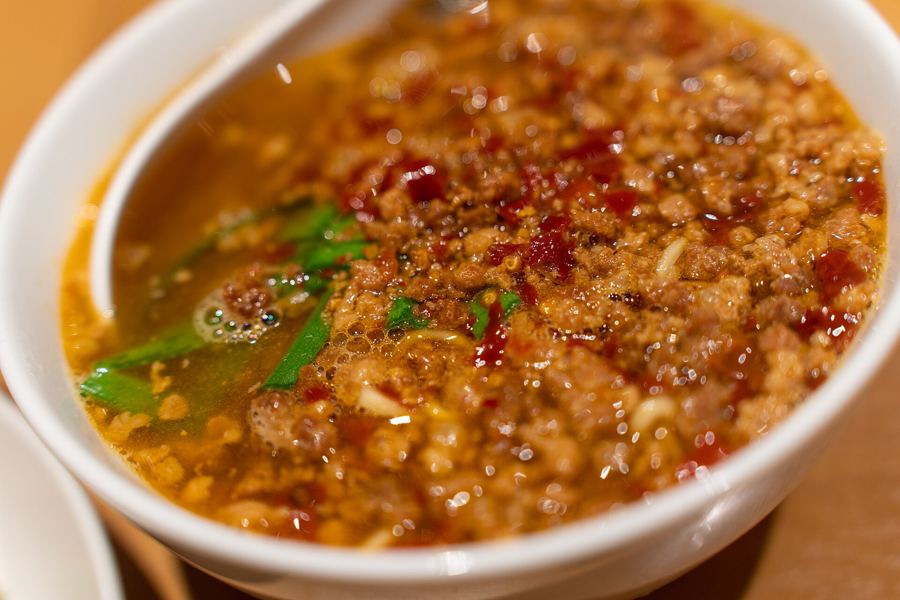
Misen's Taiwan ramen (one of the shops on Umaimon-dori) Photo: whity / Wikimedia Commons / CC BY 2.0 Nagoya Umaimon-dori (Taiko-dori Exit)
Good forTrying Nagoya food on your arrival or departure day / Taiwan ramen, miso katsu, hitsumabushi and kishimen in one place
A dining street inside JR Nagoya Station on the Taiko-dori Exit side. Nagoya specialty restaurants are gathered here, including Misen (Taiwan ramen), Yabaton (miso katsu), Maruya Honten (hitsumabushi grilled eel) and Ekikama Kishimen (flat noodles). Takeout and souvenirs are also available.
- Good to know
- 17 shops (station's official shop map, as of 3 Nov 2026)
- Hours and closing days vary by shop
- Getting there
- Inside JR Nagoya Station (Taiko-dori Exit side). Nagoya Station is 1 stop from Taiko-dori (Sakura-dori Line) and 4 stops from Nakamura-koen (Higashiyama Line).
-
ESCA Underground Mall
Good forEating out on a rainy day / A meal before an early train or in the evening / Nagoya food and souvenirs in one stop
The underground mall closest to the Shinkansen side of Nagoya Station. It houses restaurants serving Nagoya specialties such as hitsumabushi, miso nikomi udon and kishimen, miso katsu, tebasaki chicken wings and Nagoya Cochin chicken, as well as souvenir shops. Being underground, it is easy to visit in any weather.
- Good to know
- Hours: shops 10:00–20:30, restaurants 10:00–22:30, cafés 7:00–22:30 (some shops differ)
- Closed: 1 Jan, 3rd Thursday of February, 2nd Thursday of September
- Getting there
- 1 minute from JR Nagoya Station (Shinkansen side). Nagoya Station is 1 stop from Taiko-dori (Sakura-dori Line) and 4 stops from Nakamura-koen (Higashiyama Line).
-
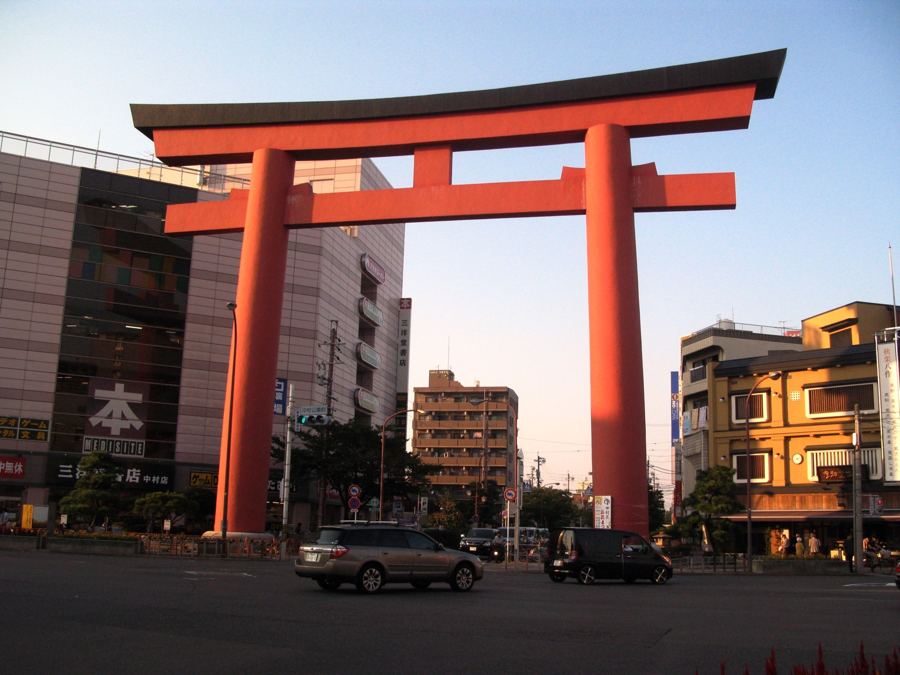
Photo: rumpleteaser / Wikimedia Commons / CC BY 2.0 Toyokuni Shrine & Nakamura Park (Toyotomi Hideyoshi's hometown)
Good forA morning walk near where you stay / Fans of Japanese history and samurai warlords / A relaxed weekend on a longer stay
Nakamura Ward, where our stays are located, is said to be the birthplace of Toyotomi Hideyoshi, the warlord who unified Japan in the 16th century. Toyokuni Shrine, inside Nakamura Park, was founded in 1885 in Hideyoshi's birthplace of Owari-Nakamura and enshrines him. A subsidiary shrine honors Kato Kiyomasa, another famous warlord. Around the park you can also visit Josenji Temple, linked to Hideyoshi, and the Hideyoshi and Kiyomasa Memorial Museum, all within walking distance. Nakamura-koen Station is the nearest station to Central Nagoya House and Residence.
- Good to know
- Toyokuni Shrine gates: 9:30–16:30 (regular days; longer during the first three days of the New Year)
- No parking
- Getting there
- About 10 minutes on foot from Nakamura-koen Station (Higashiyama Line); about 450 m from Residence. From Taiko-dori: Sakura-dori Line to Nagoya, then the Higashiyama Line.
-
Josenji Temple (Hideyoshi's birth well)
Good forCombine with a walk in Nakamura Park / Seeing places from the Hideyoshi legend
A temple that tradition names as the birthplace of Toyotomi Hideyoshi; it is said to have begun as a hall dedicated to him. In the grounds is the well said to have provided the water for his first bath as a newborn. The well dried up in the 1960s–70s due to changes in groundwater, but was dug out again around 1989 and water flows once more. A holly tree said to have been planted by Hideyoshi also spreads its branches here. There is no definite record of his birthplace, so the site is presented as a tradition.
- Good to know
- Admission: free, open every day
- Parking on the grounds
- Getting there
- About 10 minutes on foot from Nakamura-koen Station (Higashiyama Line), close to Toyokuni Shrine and Nakamura Park.
-
Nagoya City Hideyoshi and Kiyomasa Memorial Museum
Good forA rainy-day stop at Nakamura Park / Learning more about Hideyoshi and Kato Kiyomasa
A Nagoya city history museum on the 2nd floor of the Nakamura Park Culture Plaza, next to the park's south entrance. It displays materials related to two warlords, Toyotomi Hideyoshi and Kato Kiyomasa.
- Good to know
- Hours: 9:30–17:00
- Closed: Mondays (next weekday if Monday is a holiday), 4th Tuesday (open if a holiday), 29 Dec–3 Jan, and inspection days
- Getting there
- 10 minutes on foot from Exit 3 of Nakamura-koen Station (Higashiyama Line).
-
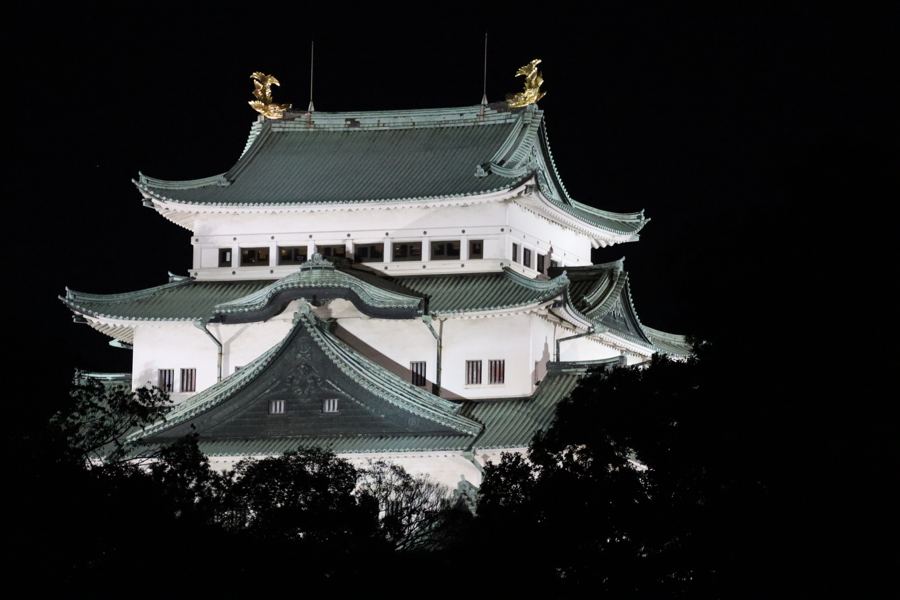
Photo: ノボホショコロトソ / Wikimedia Commons / CC BY 4.0 Nagoya Castle
Good forYour first sightseeing stop in Nagoya / Seeing a Japanese castle and the interior of a lord's palace
Built on the orders of Tokugawa Ieyasu at the start of the Edo period, the castle is the symbol of Nagoya. The main keep was rebuilt after being destroyed in WWII and is currently closed, so you cannot go inside (as of 3 Nov 2026). The restored Honmaru Palace, however, shows how a feudal lord's residence looked. The stone walls and turrets of the large grounds are worth a walk on their own, and the castle has one star in the Michelin Green Guide Japan (4th edition).
- Good to know
- Admission: adults ¥1,000, junior high students and younger free (revised 1 Oct 2026)
- Keep: closed
- Check the official site for opening hours and closing days
- Getting there
- 5 minutes on foot from Exit 7 of Nagoya-jo Station (Meijo Line).
-
Atsuta Jingu Shrine
Good forA quiet morning visit / A walk among old trees / Touching on Japanese mythology
This shrine enshrines the Kusanagi sword, one of the Three Sacred Treasures that symbolize the imperial throne. Aichi Prefecture's official tourism site gives its founding as the 43rd year of Emperor Keiko (113 AD). It has long been revered as a shrine second only to Ise Jingu, and is said to receive about 7 million visitors a year. The main buildings were rebuilt in the Shinmei style in 1893. The grounds also have a Treasure Hall and the Kusanagi-kan museum.
- Good to know
- Treasure Hall & Kusanagi-kan: 9:00–16:30 (last entry 16:00). Generally closed on the last Thursday of the month and the day before, and 25–31 Dec
- Getting there
- 7 minutes from Exit 1 of Atsuta-jingu-Temmacho Station (Meijo Line, main gate) or Exit 2 of Atsuta-jingu-Nishi Station (west gate). 3 minutes from Meitetsu Jingu-mae Station (east gate).
-
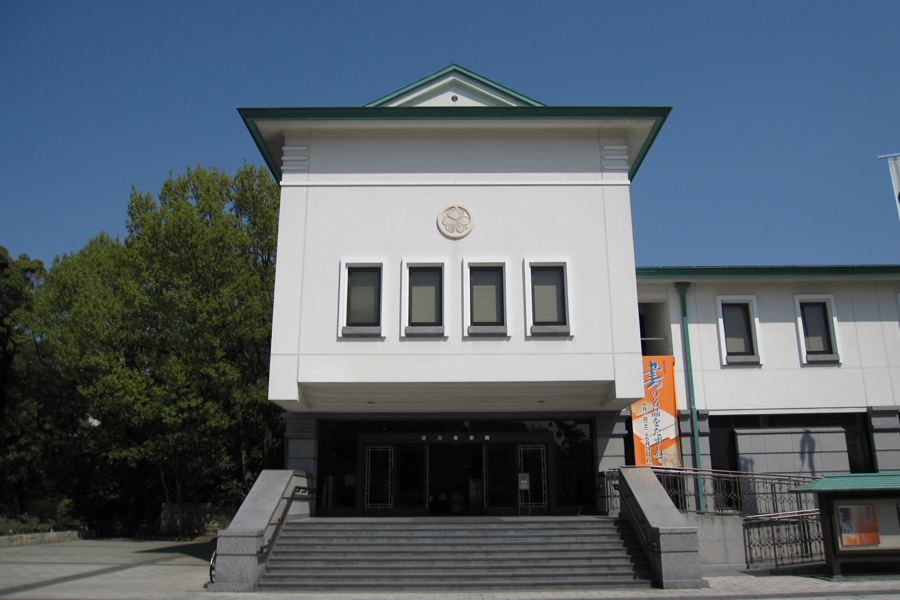
Photo: Gryffindor / Wikimedia Commons / CC BY 3.0 The Tokugawa Art Museum
Good forA rainy day / Lovers of Japanese art, swords and armor / A slow half-day outing
The museum holds the treasures of the Owari Tokugawa family, the senior of the three main branches of the Tokugawa shoguns. Centered on items that the first lord, Tokugawa Yoshinao, inherited from his father Ieyasu, the collection has over 10,000 pieces, including 9 National Treasures and 60 Important Cultural Properties. The National Treasure Tale of Genji Scrolls are described as the oldest surviving illustrated scrolls of the tale. The museum has two stars in the Michelin Green Guide Japan (4th edition), and the Genji scrolls three. Exhibits change by season, so check the official site if there is something you want to see.
- Good to know
- Hours: 10:00–17:00
- Closed: Mondays and some other days (see calendar)
- Admission: adults ¥2,000, high school & university students ¥1,200, elementary & junior high free
- Getting there
- 10 minutes on foot from the south exit of JR Ozone Station (Chuo Line). From Nagoya Station, city bus Kikan-2 to Tokugawaen-Shindeki, then 3 minutes on foot.
-
Osu Kannon Temple
Good forCombine with shopping in Osu / The antique market on the 18th of each month
Officially named Kitano-san Shinpukuji Hoshoin, this Shingon Buddhist temple is popularly known as Osu Kannon. The main hall was rebuilt in 1970 after being destroyed in the war. The adjoining Osu Library holds about 15,000 old volumes, including a National Treasure manuscript of the Kojiki, Japan's oldest chronicle.
- Good to know
- Main hall: 6:00–19:00, open every day, free
- No parking
- Getting there
- 3 minutes on foot from Exit 2 of Osu Kannon Station (Tsurumai Line).
-
Kakuozan Nittaiji Temple
Good forThe temple fair on the 21st of each month / Visitors from Thailand (a temple linked to the Thai royal family) / Cafés and shops along the approach
Built in 1904 to house relics of the Buddha and a gilt-bronze Buddha statue presented in 1900 by the King of Siam (now Thailand). It is described as the only non-sectarian temple in Japan, run in turn by different Buddhist schools. A fair is held on the 21st of every month, when the approach street is lively. The stupa holding the relics is not open to the public.
- Good to know
- Grounds: 5:00–16:30, free
- Temple fair: the 21st of each month
- Getting there
- About 10 minutes on foot from Exit 1 of Kakuozan Station (Higashiyama Line). No transfer from Nakamura-koen Station.
-
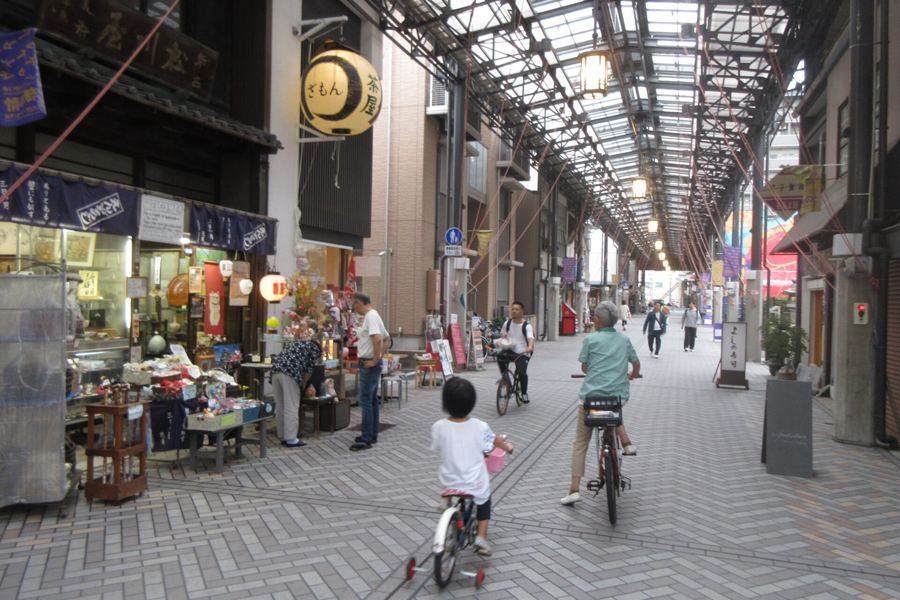
Photo: Evelyn-rose / Wikimedia Commons / CC0 Endoji Shopping Street
Good forA stroll down an old-style shopping street near Nagoya Station / An evening meal
This street grew out of an Edo-period merchant town and is said to be the oldest shopping street in Nagoya. Under its covered arcade, long-established shops sit alongside new restaurants, and the neighboring Endoji Honmachi street has added many eateries in recent years. Seasonal events such as the Tanabata Festival in July are held here. The old storehouse district of Shikemichi is close by and easy to combine.
- Good to know
- Hours and closing days vary by shop
- Getting there
- 5 minutes on foot from Kokusai Center Station (Sakura-dori Line), 2 stops from Taiko-dori with no transfer.
-
Shikemichi Historic Street
Good forPhotos of an old townscape close to Nagoya Station / A break in a café inside a century-old house
A merchant quarter laid out along the Horikawa River around the time Nagoya Castle was built. After a great fire in 1700, the street was widened to 4 ken (about 7 m) to stop fires from spreading, which gave it its name. Encouraged by the Owari domain, merchants built earthen storehouses on stone foundations along the east side, and many still stand today. Some old houses now serve as cafés and shops.
- Good to know
- Free to stroll (shop hours vary)
- Getting there
- About 5 minutes on foot from Kokusai Center Station (Sakura-dori Line), 2 stops from Taiko-dori with no transfer. Right next to Endoji Shopping Street.
-
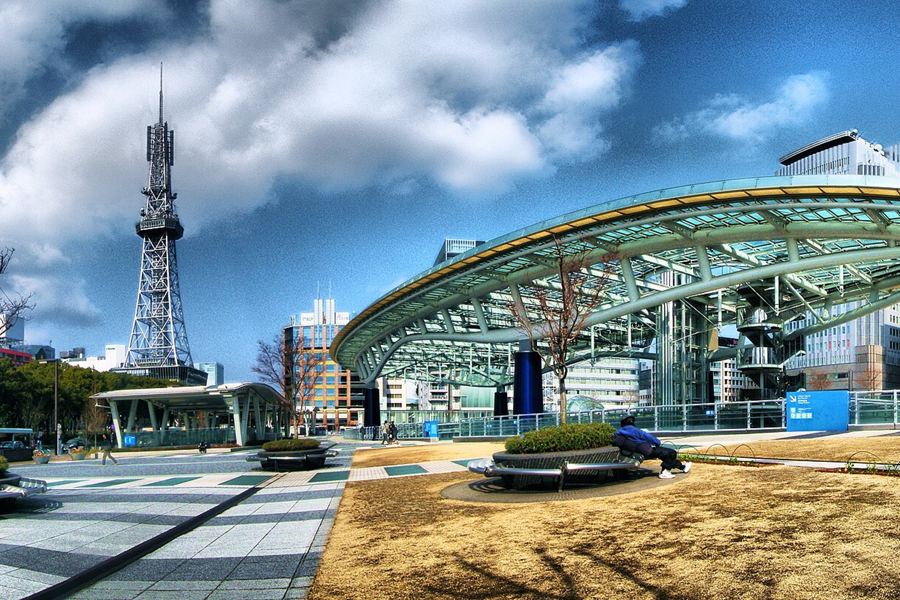
Photo: Emran Kassim / Wikimedia Commons / CC BY 2.0 Oasis 21
NoticeThe Water Spaceship roof is closed for renovation from 4 Nov 2026 to 30 Apr 2027 (planned)
Good forNight views after shopping in Sakae / A meeting spot or short break
A multi-level park in Sakae, marked by its glass roof called the 'Water Spaceship'. It combines a ground-level park, a bus terminal and an underground plaza with about 30 shops, and the roof is lit up at night. Entry is free.
- Good to know
- Ginga Plaza 6:00–23:00, shops 10:00–21:00, restaurants 10:00–22:00
- Getting there
- Directly connected to Sakae Station (Higashiyama & Meijo Lines) via the east ticket gate. No transfer from Nakamura-koen Station.
-
Toyota Commemorative Museum of Industry and Technology
Good forA rainy day / Families with children / Fans of cars and manufacturing
Set in the birthplace of the Toyota Group, this museum preserves an early 20th-century factory building. It shows how textile machinery and automobile technology developed, using working machines and live demonstrations. It is close to Nagoya Station and ranked 23rd in TripAdvisor's 2018 list of Japanese attractions popular with international visitors.
- Good to know
- Hours: 9:30–17:00 (last entry 16:30)
- Closed: Mondays (Tuesday if Monday is a holiday), year-end & New Year
- Admission: adults ¥1,000, university ¥600, junior high & high school ¥500, elementary ¥300, 65+ ¥200
- Getting there
- 3 minutes on foot from Sako Station (Meitetsu Nagoya Line). About 5 minutes by taxi from Nagoya Station, or take the Me-guru sightseeing bus from Nagoya Station bus stop 11.
-
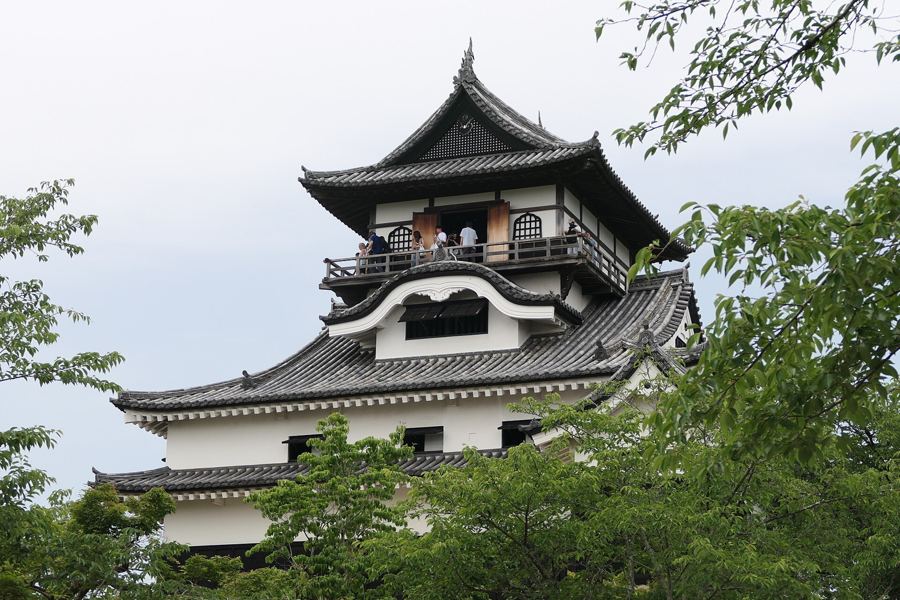
Photo: Hyppolyte de Saint-Rambert / Wikimedia Commons / CC BY 4.0 Inuyama Castle (National Treasure)
Good forA half-day trip from Nagoya / Climbing an original old castle keep
A castle designated as a National Treasure; its official site describes it as having the oldest surviving castle keep in Japan. Unlike Nagoya Castle, you can climb inside the original keep. The old castle town nearby is fun to explore too. It has two stars in the Michelin Green Guide Japan (4th edition).
- Good to know
- Hours: 9:00–17:00 (last entry 16:30; entry may be limited when busy)
- Closed: 29–31 Dec
- Admission: adults ¥1,000, elementary & junior high ¥200
- Getting there
- About 25 minutes by direct Meitetsu train from Meitetsu Nagoya Station to Inuyama Station.
-
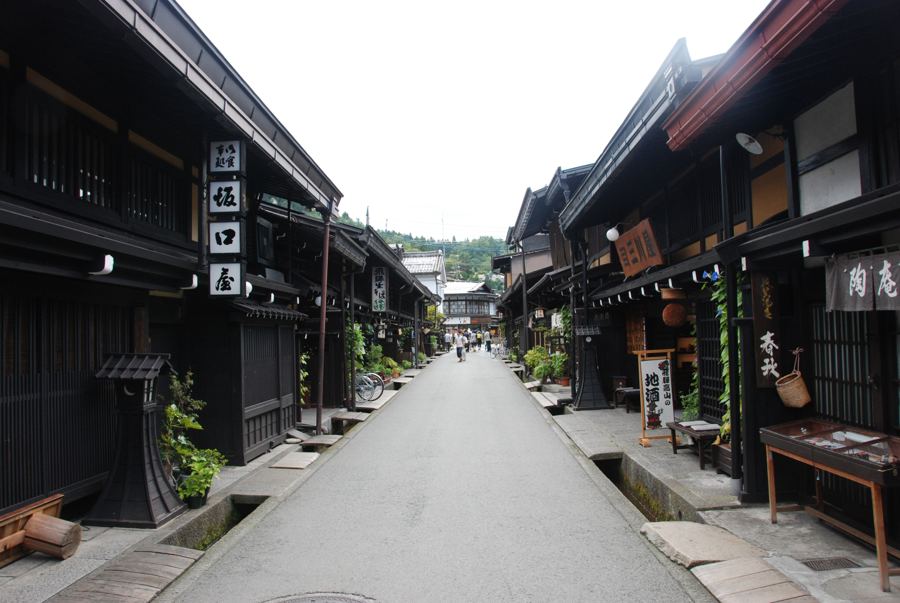
Photo: Maarten Heerlien / Wikimedia Commons / CC BY 2.0 Takayama Old Town (Hida-Takayama)
Good forA day trip by limited express train (leave early) / Edo-period streets, morning markets and Hida beef
A town that preserves part of its Edo-period merchant quarter; the old streets are a nationally designated Important Preservation District for Groups of Traditional Buildings. Takayama has three stars in the Michelin Green Guide Japan (4th edition). It is very popular with international travelers, with about 978,000 foreign overnight guests in 2025 (Takayama City).
- Good to know
- The morning markets (Miyagawa and Jinya-mae) are held daily; start times change by season, so check locally
- Getting there
- About 2 hours 20 minutes from JR Nagoya Station to Takayama Station by the Limited Express Hida.
-
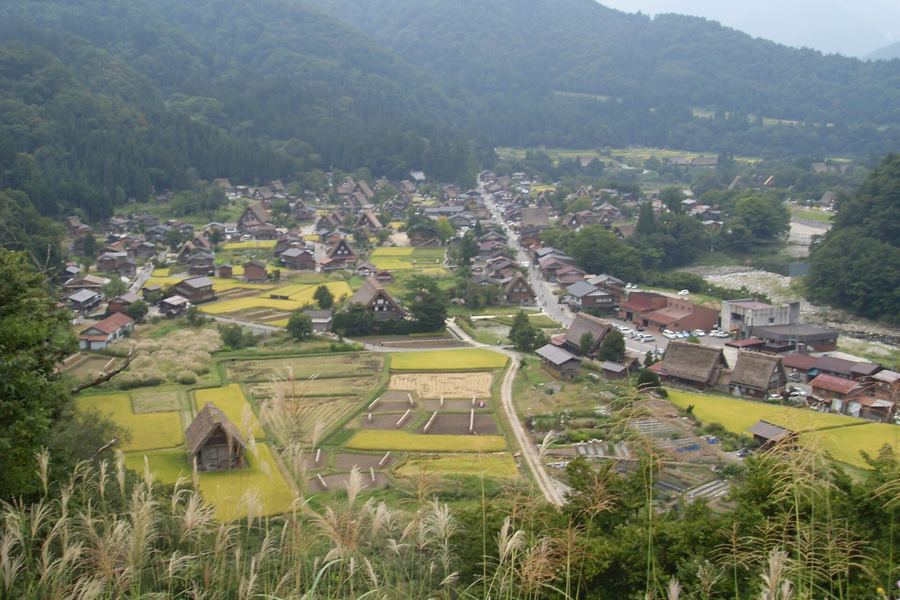
Photo: Wicki / Wikimedia Commons / Public domain Shirakawa-go (Gassho-style Village)
Good forA day trip by highway bus / Seeing a World Heritage village
A mountain village of houses with steep thatched 'gassho-zukuri' roofs, registered as a World Heritage Site in 1995 as the Historic Villages of Shirakawa-go and Gokayama. It has three stars in the Michelin Green Guide Japan (4th edition). People still live here, so please do not enter private land or homes.
- Good to know
- Highway buses can be booked on the bus companies' websites (linked from the Shirakawa-go Tourist Association's access page)
- Getting there
- About 2 hours 30 minutes by highway bus from Meitetsu Bus Center (5 minutes' walk from Nagoya Station); about 2 hours 50 minutes in total from Nagoya Station. By train, take the Limited Express Hida to Takayama and change to a bus: about 3 hours 25 minutes in total.
-
Ise Jingu (Geku & Naiku)
Good forA day trip by train / Visiting one of Japan's most revered shrines
Centered on Kotaijingu (Naiku, the Inner Shrine) and Toyouke-daijingu (Geku, the Outer Shrine), Ise Jingu is made up of 125 shrines, including 14 betsugu (associated shrines). The shrine buildings are rebuilt every 20 years in a ritual called Shikinen Sengu. The official model courses visit Geku first, then Naiku. Naiku has three stars in the Michelin Green Guide Japan (4th edition).
- Good to know
- Visiting hours: Jan–Apr & Sep 5:00–18:00
- May–Aug 5:00–19:00
- Oct–Dec 5:00–17:00 (changes over New Year)
- Getting there
- About 1 hour 20 minutes from Nagoya to Iseshi Station by Kintetsu limited express or JR Rapid Mie. Geku is within walking distance of Iseshi Station.
No spots match these filters.